
Hundreds of ads, one creator at a time.
For years, every new ad meant the same routine: find a creator, brief them, send the product, pay for the video, then wait to see how it did. They had the scripts and knew what worked. Their top ten UGC ads each spent over $1M on Meta.
Their scriptBriefed to each creator- Book
- Send product
- Film
- Wait
$150to$700
- Book
- Send product
- Film
- Wait
$150to$700
- Book
- Send product
- Film
- Wait
$150to$700
- Book
- Send product
- Film
- Wait
$150to$700
- 4creators to book
- 4products to send
- $600 to $2,800for four faces
And every creator reads the script their own way.
We started with one of their winners.
We took one, kept its script and structure, and rebuilt the first 56 seconds with an AI presenter. Play both, with sound.
Their winner, filmed.Over $1M spent on Meta.
Our version, AI-generated.Same script, no creator, no shoot.
Then the engine made its opening again, with new people.
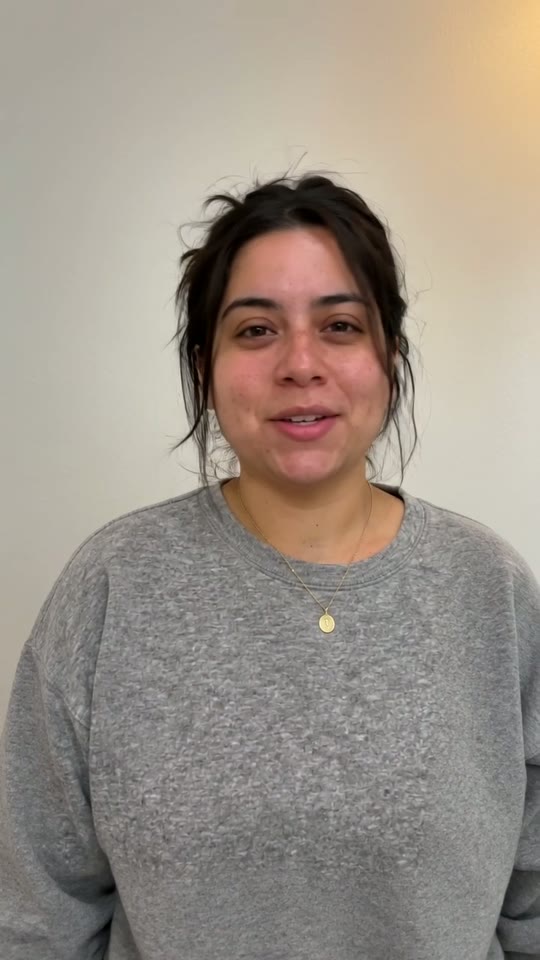
The same script and shots, with a new person, room and voice for each audience. Every person here is AI-generated.
The same scriptThe engineWritten down once- JessYoung parents
- CarolBuyers over 60
- MattThe original audience
- DevStudents
Generated people present and demonstrate. They never pose as customers or experts, never show results, and only say claims from your approved list.
And the same engine, on a new format.
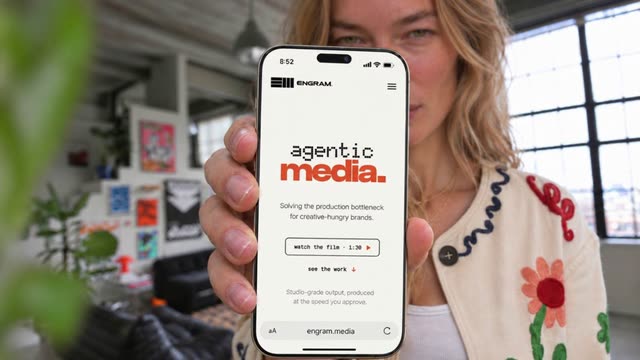
The film at the top of this page is the engine on a get-ready-with-me ad. One character sheet keeps her the same in every shot, eight stills set each moment, and the clips are generated between them.
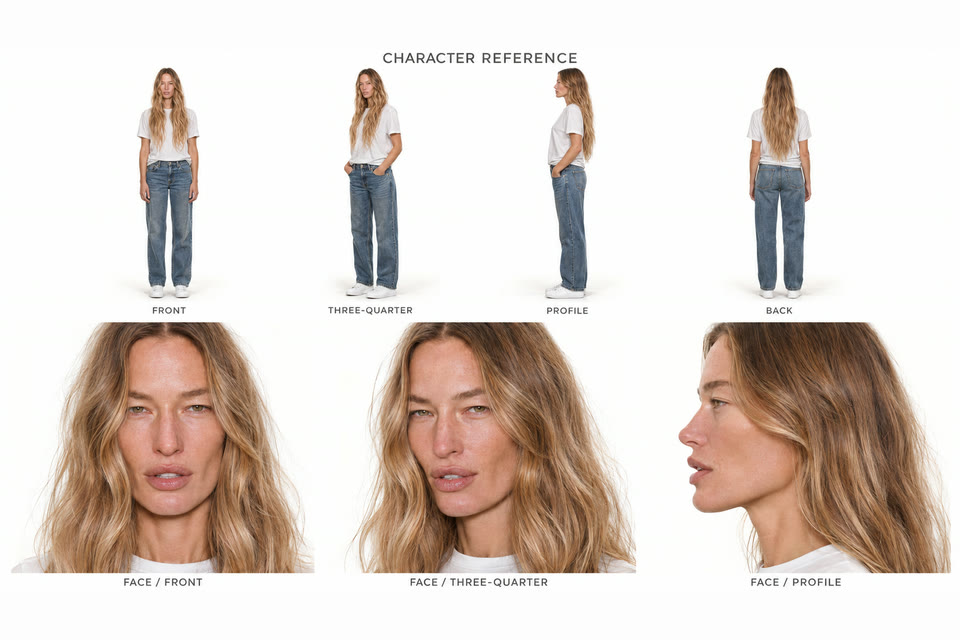
agentic UGC Ad Creative Engine.
End-to-end system for production of UGC-style ads, built from winning ad creatives, directed and produced by agents.
What your CPM buys.
CPM is what you pay for every 1,000 impressions. Meta groups ads that look alike as one, so near copies of a winner keep spending it on the same people.
- 45%
less likely to convert by the fourth time someone sees the same ad, Meta's own data team found. Near copies keep reaching the same people.
- 9%
more incremental reach from creative that is actually different, Meta has reported. Each new version can reach its own audience.
- 50 to 80
variations a day from the engine. Accounts spending $1M+ a month launch about 19 new ads a week on average, in Motion's 2026 benchmarks.
We worked with a DTC brand spending $1M+ a month on Meta.
They were testing hundreds of UGC ads at $150 to $700 each, never knowing which would work. A few carried the account. We turned what those few shared into an engine that makes new versions of them every day.
The winner we started from spent over $1M on Meta.
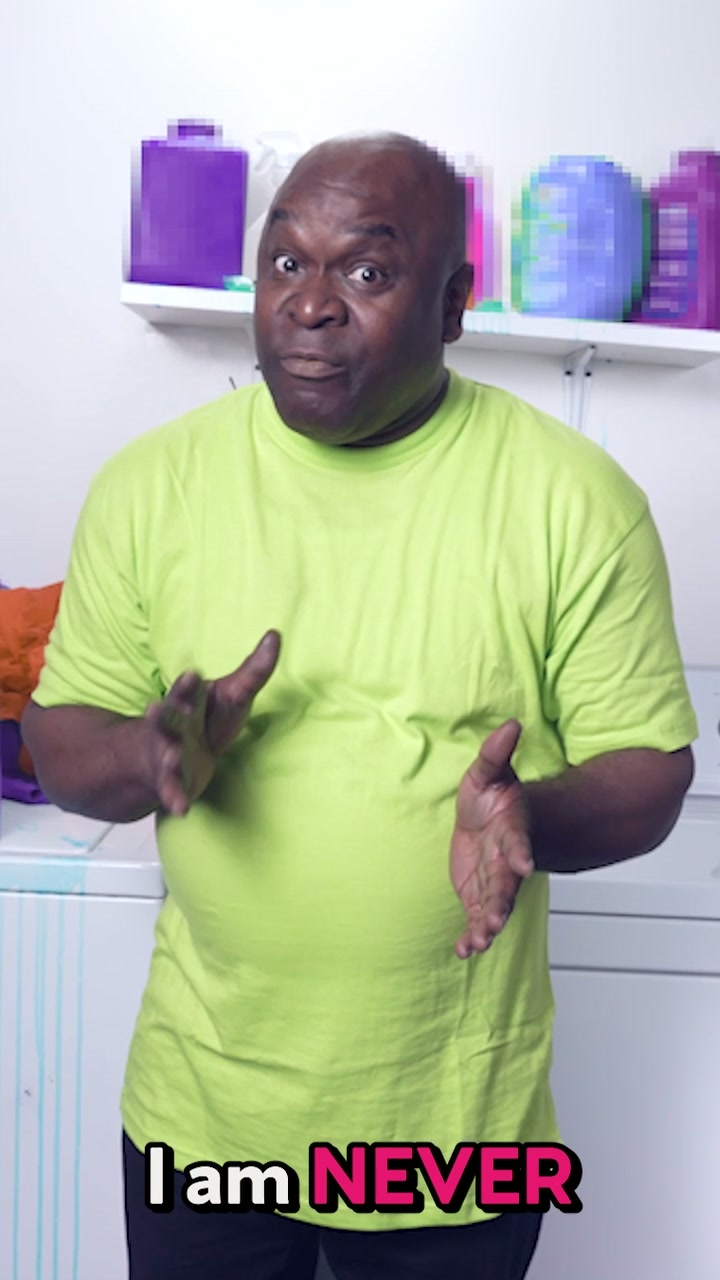
The winner: overOver $1M spent on Meta
Lines and order
From their ad
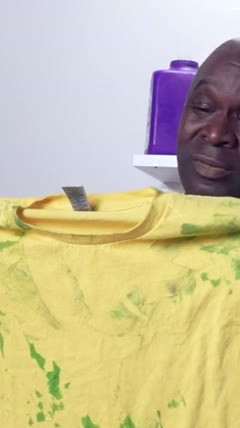
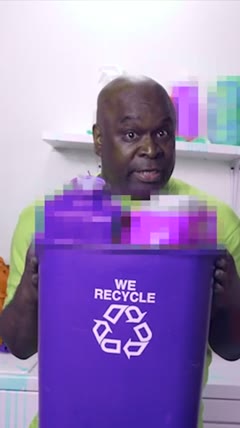
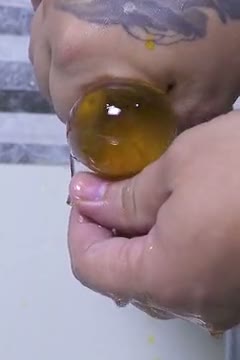
B-roll and product shots
- AI agentsClaudeAI agents
- Skillsugc-ad-pipeline and shot-builderSkills
- B-roll poolClose-ups from their own footageB-roll pool
- Locked looksPerson, room, look, voice
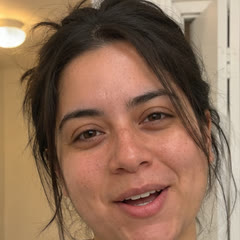
 Locked looks
A person approves every paid runApprove
- JessYoung parents
- CarolBuyers over 60
- MattOriginal audience
- DevStudents
Before: one creator at a time
- From$150to $700 a creator video
- 1face and 1 audience per adface per ad
- Book a creator, send product, film, wait
After: with the engine
- 0creators to book, no product to sendcreators to book
- 4faces for 4 audiences, from 1 scriptfaces, 4 audiences
- 50-80variations a day
Try it on your own winner: three versions for three of your audiences, free, within 5 working days.
Send us one winner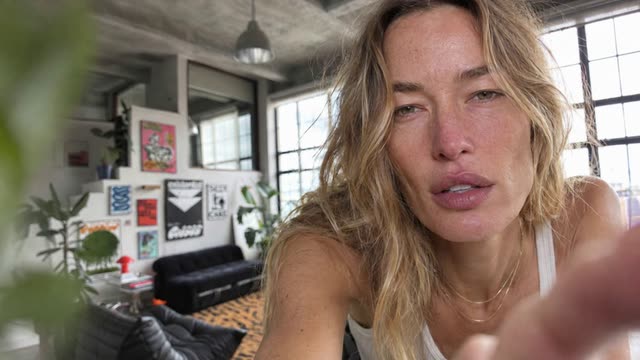






Why one winner now needs many versions.
It used to work like this: you picked the audience (age, interests, lookalikes) and Meta showed your ad to those people. One strong ad could run to every audience you chose.
Since Andromeda, Meta does most of the targeting. It reads each ad, decides who it fits, and groups ads that look alike as one. So the way to reach more kinds of buyers is to give Meta more ads that are actually different.
Tens of millions of ads
Andromeda’s layered indexsorted by what each ad is about
x50Their winner, filmed
One audience
The same people, again
Before: one ad, many copies
Near copies land in the same spot and compete for the same people.
Jess
Young parents
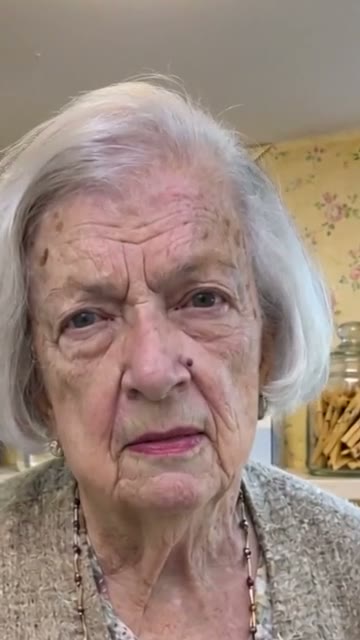
Carol
Buyers over 60
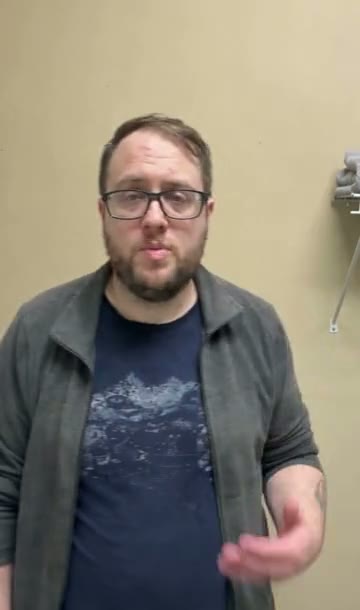
Matt
The original audience

Dev
Students
Now: different ads, different people
Different ads land in different spots and reach different people.
The numbers it's built to move
Meta now calls creative the new targeting. These are the figures that tie it to your hook, your CPA and what you pay in the auction.
The first three seconds
Up to47%
of a video ad's value lands in its first three seconds, Meta and Nielsen found in 2016. So each new version opens on a new person.
CPA
Up to32%
better CPA from diversified creative, in Meta's own analysis, reported in 2023. So one winner should run as several distinct ads.
Hit rate
1 in 11
new ads becomes a winner at accounts spending $1M+ a month, in Motion's 2026 benchmarks. The more distinct ads you test, the more winners you find.
Their top ten UGC ads
$1M+
spent on Meta by each one. We rebuilt one of them, so this started from a proven winner.
CTR and CPM
Bid×estimated action rate+ad quality
Meta's auction ranks every ad this way. Creative moves the two underlined parts, so an ad that fits the person in front of it can win the auction for less.
What to expect from the engine
For your ad account, it means more fresh versions of the ads that already win, live sooner and for far less than a creator video, with your script, claims and product kept the same.
Cost and volume
Cost of a full ad
One creator at a time$150 to $700 per creator video
With the engineAbout $10 of model cost for a 56-second ad
Variations of one winner
One creator at a timeOne per creator you can book
With the engineAs many as your audiences need, made every day
Time to a new version
One creator at a timeBook a creator, send the product, wait for the shoot
With the engineMinutes of generation, then a person's edit
What UGC buyers ask for
A new face for each audience
One creator at a timeOne creator, one face per ad
With the engineA new person, room and voice for each audience, the same in every shot
New openings to test
One creator at a timeOne opening per shoot
With the engineNew openings for every winner, so the hook is what you test
Every placement
One creator at a timeWhatever the creator filmed
With the engineVertical masters, cut for Reels, Stories and Feed
Usage rights
One creator at a timeA usage window to renew, per creator
With the engineNo creator and no usage window. You own every file.
Brand and product
Your script and claims
One creator at a timeEach creator reads it their own way
With the engineThe same script and claims every time, only from your approved list
Your product on screen
One creator at a timeFilmed by the creator
With the engineClose-ups from your own footage; in-hand shots built from your packaging photos
We wrote the method down.
Building it taught us a procedure. We wrote it into two skill files, playbooks the agents follow step by step, and a person approves every step that costs money.
Where the skills came from.
The procedure
What a crew knew
- The producer
- Casting
- Continuity
- Camera
- The editor
What the first build taught us
What held and what broke, from the script to the final cut.
Two skill files
8 stages, 4 reference files and 3 tools.
10 reference files. Locks for the person, the place and the look.
Agents take care of the workflow
The same way every time
Eight stages, in order, on every run.
A person approves each paid run.
Every mistake becomes a new rule.
One from the first build: never start a voice track on silence.
Eight stages. A person decides at six.
The ugc-ad-pipeline skill, as it ran on the first build.
sets up the project and its locks
no decision
splits the script into 16 beats
A person decides: stock or generated, and the length
writes each person: look, story, sheet


A person decides: picks the person, approves the sheet
locks the look, the room, the props
A person decides: approves each sheet
voices the whole script first, splits it at the words
A person decides: picks the voice and the read
measures one of their ads, shot by shot
no decision, sees the numbers
writes the shots in blocks, then waits
A person decides: reads each run in full, says yes or no
Money is spent herelays the voice down, cuts picture over it
A person decides: cuts it, then signs it
The next ad starts from these files. A new person is one new sheet.
Keep every audience supplied with what already works.
When an ad wins, you shouldn't have to start over to get more of it. We keep making it again for the audiences you choose, and a director signs every version before your media buyer sees it.
- What's workingYour ads that spend well
- A director picks the winner and the audiences
- Agents make the versionsWith ugc-ad-pipeline and shot-builderA yes before every paid run
- A director signs each oneOr sends it back
- Your media buyer launchesOnly signed versions
- Back to what's working
- Sheets
- Rules
 B-roll
Send us one winner.
Send one winning ad and any raw footage you have. Within 48 hours you get a written proposal with two ways to work together. Within 5 working days, you get that ad made again for three of your audiences, free.
- We run it for you, every week.
- We build it inside your team and train the people who run it.
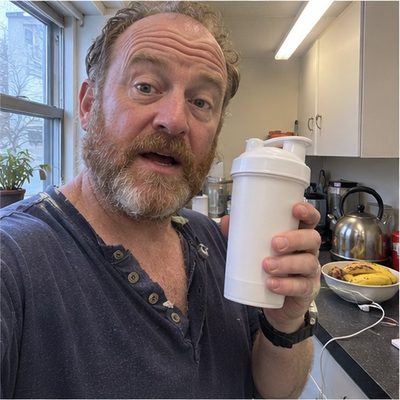


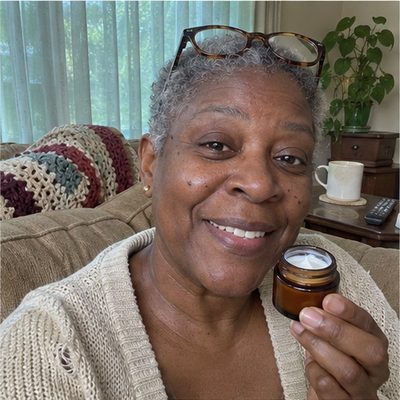



Engram is a creative studio that runs on agents: an art director with 8+ years in video and ads, and Claude-certified architects who build the systems.